
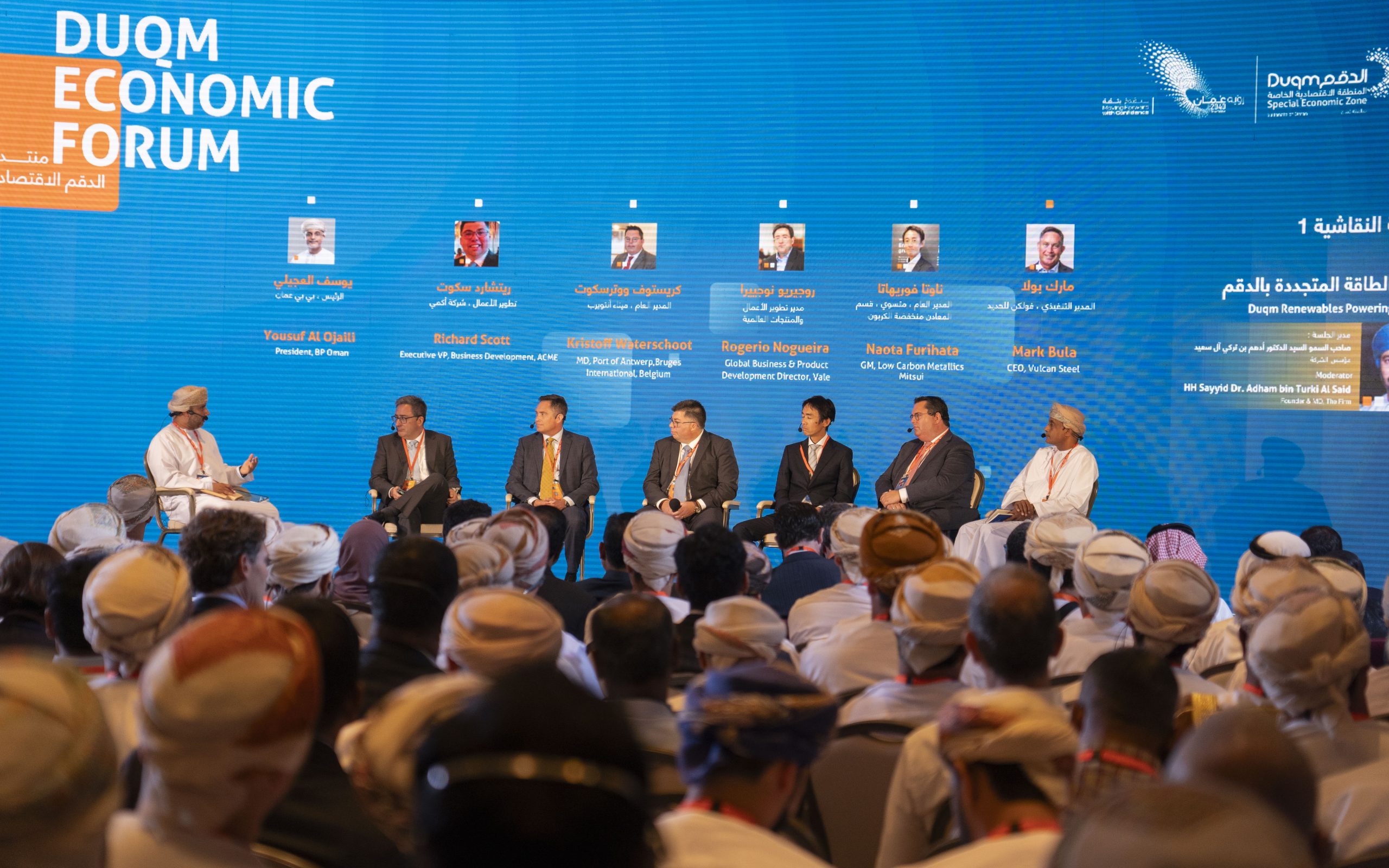
As Oman accelerates its transition toward a knowledge-driven economy under Oman Vision 2040, the relationship between global AI developers and local Omani implementation partners is becoming increasingly essential. International companies searching online for terms such as AI partners in Oman, AI integrators Oman, Oman technology companies, system integrator Oman AI, reseller Oman AI, or Oman digital transformation consultants are not merely conducting generic market research; they are engaging in a targeted search for credible institutions with the capability to translate advanced global technologies into solutions that align with Oman’s national strategies. This emerging pattern reflects a structural need for local integrators capable of supporting the country’s expanding digital ecosystem.
Engine AI represents a compelling case study within this context. Established as a regional AI technology house headquartered in Muscat, Engine AI serves as a bridge between international AI providers and Oman’s growing list of public and private sector digital initiatives. To understand the company’s relevance, it is necessary to situate it within the broader framework of national programs such as the National Digital Transformation Program, the AI and Advanced Technology Strategy under MTCIT, the industrial innovation programs across Oman’s manufacturing zones, the healthcare modernization pathways of the Ministry of Health, and the agricultural resilience initiatives driven by Oman’s food security agenda. Each of these programs requires the participation of a local entity capable of integrating, localizing, and operationalizing foreign AI systems in a manner compatible with Oman’s regulatory, cultural, and infrastructural environment.
In the healthcare sector, for instance, Oman is actively pursuing AI-enabled diagnostics, automated radiology workflows, and predictive analytics. Engine AI’s engagements with global firms specializing in medical imaging and clinical AI illustrate how international technologies can be adapted to the needs of public hospitals and tertiary medical centers. This includes compliance with national data governance requirements, alignment with the National Health Information System, and the adaptation of AI outputs to Arabic-language clinical environments. The integration of international clinical AI platforms through a local intermediary demonstrates how applied AI must operate within local systems rather than as isolated technological imports.
A similar pattern emerges in agriculture. Oman’s climate, water constraints, and strategic food-security objectives have pushed the country toward data-guided agricultural management, aerial analytics, and sensor-driven farming. Engine AI’s collaboration with firms specializing in aerial crop analysis, remote sensing, greenhouse automation, and smart irrigation illustrates how an Omani integrator can assemble a constellation of technologies around a national priority. These engagements are significant because they extend beyond importing tools; they involve constructing entire agricultural intelligence workflows that suit the scale, crop patterns, and climatic conditions of Omani farms and agricultural clusters.
In the industrial and manufacturing domain, the incentives created by Vision 2040 and the modernization plans of industrial zones such as Sohar, Duqm, and Rusayl have driven demand for predictive maintenance systems, factory automation, machine vision inspection, and real-time production analytics. Engine AI’s interactions with international manufacturing technology firms demonstrate how global industrial AI solutions can be integrated with the machinery, SCADA systems, and operational structures already present within Omani factories. Here again, the function of a local integrator becomes evident: the challenge is not merely technological but infrastructural and procedural, requiring deep coordination with local operators and regulatory frameworks.
Retail, logistics, and urban infrastructure offer another dimension of national transformation. Oman’s ambitions to enhance port efficiency, improve supply-chain intelligence, and introduce AI-supported retail operations have created new opportunities for foreign companies. Engine AI’s communication with advanced vision-AI and automation firms positions it to support national logistics providers, hypermarket chains, and municipal smart-city pilots. This role also reinforces the importance of having a local partner who not only supplies technology but also ensures continuity through training, maintenance, localization, and iterative upgrades.
What emerges from this case study is a broader pattern: Oman’s digitalization requires the presence of a new class of national integrators capable of connecting global technological supply with local institutional demand. Engine AI exemplifies this model by operating not as a generic consultant but as a platform that identifies international capabilities and embeds them into Oman’s national transformation pathways. This helps explain why global companies intentionally search for Omani partners through phrases such as AI partners in Oman or system integrator Oman AI; the market is structured in such a way that the success of foreign technologies depends on the integrative capacity of local institutions.
As Oman moves deeper into its Vision 2040 implementation cycle, the role of companies like Engine AI becomes increasingly central. National progress in health, agriculture, manufacturing, logistics, and smart cities requires a technically capable intermediary that understands both the technological depth of global AI systems and the operational constraints of local environments. Engine AI’s expanding network of collaborations demonstrates how Oman can develop sovereign technological capability not by isolation, but through structured and strategic partnerships grounded in local integration expertise.
For international companies seeking collaboration, Engine AI can be reached at executiveoffice@engineai.om.